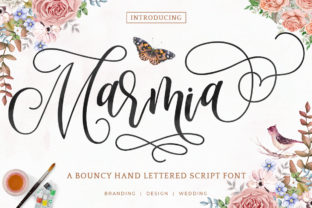
Marmia: A Bouncy Script Font
The Marmia font is a hand-lettered script typeface that brings a sense of playfulness and elegance to digital design. Its bouncy, flowing strokes make it ideal for projects that require a personal touch and visual flair. As a web designer, I appreciate how Marmia can elevate the look of a website while maintaining readability across different screen sizes.
With its unique blend of hearts and glyphs, Marmia adds character to any layout. It's perfect for headers, logos, and decorative elements where a custom feel is desired. The font's personality makes it stand out in a sea of standard typefaces, helping to create a memorable brand identity.
Using Marmia in Web Design
In web design, Marmia excels as a display font. It works best for headlines, call-to-action buttons, and section titles where visual impact is key. For example, on a creative portfolio site, using Marmia for the main heading can draw attention and set the tone for the entire page.
When used in hero sections or landing pages, Marmia adds a dynamic energy that can engage users right away. Its fluid curves and playful style make it suitable for boutique online stores, coaching websites, and product landing pages looking to convey a friendly and approachable brand image.
For digital ads and social media graphics, Marmia's distinctive look helps content stand out. Whether it's a banner ad or a blog header, the font's charm can make a lasting impression on viewers.
Readability and Visual Hierarchy
While Marmia is a decorative script font, it remains readable in most contexts. On mobile screens, it's best to use it for short phrases rather than long paragraphs. When paired with a simple sans serif font for body copy, the contrast enhances clarity and improves user experience.
On dark backgrounds or image overlays, Marmia maintains good legibility when used at appropriate sizes. For small buttons or icons, consider using a lighter weight or alternate glyph to ensure visibility without sacrificing style.
As a web designer, I often use Marmia for headings and subheadings to establish a clear visual hierarchy. This helps users scan content quickly and understand the structure of a page. The font's natural flow also supports a rhythmic layout, making it easier to guide the eye through a design.
Brand Identity and User Engagement
Marmia contributes to a strong brand identity by adding a unique voice to a website. Its handwritten quality evokes a sense of authenticity and creativity, which can build trust with users. This is especially valuable for businesses targeting a niche audience or those aiming to differentiate themselves in a competitive market.
When used consistently across a website, Marmia reinforces a cohesive online presence. From logo text to digital brand kits, the font helps maintain a unified look that aligns with a brand's overall aesthetic.
For conversion-focused layouts, Marmia can be used in CTA buttons or promotional banners to create a sense of urgency or excitement. Its lively appearance can encourage users to take action, whether it's signing up for a newsletter or purchasing a product.
Font Pairing and Design Assets
Pairing Marmia with a clean, modern sans serif font like Roboto or Open Sans creates a balanced look that combines style with functionality. This combination is ideal for websites that need both visual appeal and easy reading.
For editorial designs or more traditional branding, pairing Marmia with a serif font like Georgia or Lora can add a timeless feel. This pairing works well for blogs, magazines, or educational websites where a refined tone is needed.
When selecting a font for a project, always check the available styles, weights, and file formats. Marmia likely includes multiple weights and alternates, which can be useful for creating variations in a design system. Multilingual support is also important if the website serves an international audience.
Commercial Licensing and Practical Use
Before using Marmia on a website, landing page, or digital template, ensure that the commercial license covers the intended use. This includes client projects, online stores, and brand assets. Proper licensing protects both the designer and the end user from legal issues.
As a digital product creator, I recommend keeping Marmia in your design toolkit for projects that benefit from a personalized, artistic touch. Whether it's a course sales page, a blog header, or a creative portfolio, the font offers versatility and style that can enhance any digital experience.
By understanding how Marmia performs in different contexts, web designers can make informed decisions about its use. Its ability to balance aesthetics with usability makes it a valuable addition to any digital design project.